What is the lifespan of an RFID wristband?
News Details
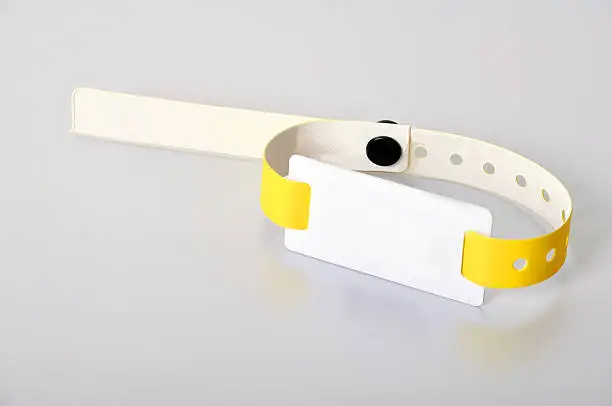
The lifespan of an RFID wristband depends on its material, chip design, manufacturing quality, and usage environment. Some RFID wristbands are designed for short-term events, while others can support repeated use for months or longer.
For overseas buyers and distributors, understanding these differences helps you choose the right wristband for your customers. This guide explains what affects RFID wristband durability, how different materials compare, and how to extend product life.
1. How Long Does an RFID Wristband Last?
There is no single lifespan for all RFID wristbands. Their service life depends mainly on their design and application.
-
Disposable RFID Wristbands: These are designed for short-term use, such as festivals, concerts, and one-day events. They are usually removed or discarded after use.
-
Reusable RFID Wristbands: These are suitable for hotels, water parks, gyms, and membership programs. They can support repeated use when made with durable materials.
-
Silicone RFID Wristbands: Silicone models are often used for long-term applications because they are flexible, comfortable, and resistant to water and daily wear.
Buyers should consider the expected usage period before selecting a product.
2. What Affects RFID Wristband Lifespan?
Several factors influence how long an RFID wristband can maintain its physical condition and reading performance.
-
Material Quality: Different materials offer different levels of flexibility, water resistance, and wear resistance.
-
Chip and Antenna Protection: The RFID chip and antenna need proper protection. Poor sealing or physical damage may affect reading performance.
-
Manufacturing Quality: Stable production processes and reliable encapsulation help reduce product defects.
-
Usage Environment: Frequent bending, stretching, friction, moisture, and exposure to chemicals may shorten product life.
For bulk orders, buyers should check both material specifications and RFID performance before choosing a supplier.
3. Which RFID Wristband Material Lasts Longest?
Different RFID wristband materials suit different applications. The right choice depends on the required service life and usage conditions.
-
Silicone: Flexible, waterproof, and comfortable for repeated use. Suitable for hotels, swimming pools, and fitness centers.
-
Fabric: Lightweight and comfortable. Commonly used for festivals, concerts, and multi-day events. Its lifespan depends on fabric quality and closure design.
-
PVC: Offers good durability and moisture resistance. Often used for access control and short-term identification.
-
Tyvek: Lightweight and economical. Mainly designed for single-use events rather than long-term applications.
When comparing materials, consider both physical durability and the protection of the embedded RFID components.
4. How to Extend RFID Wristband Lifespan?
Proper product selection and daily care can help maintain RFID wristband performance.
-
Choose the Right Material: Match the wristband material to the application and expected usage period.
-
Avoid Excessive Pulling: Strong stretching or bending may damage the antenna or internal connections.
-
Keep the Wristband Clean: Remove dirt and follow the supplier's recommended cleaning instructions.
-
Store Properly: Keep unused wristbands away from excessive heat, direct sunlight, and damaging chemicals.
For reusable products, regular inspection can help identify physical damage before it affects normal operation.
5. Frequently Asked Questions
Q1: Can RFID wristbands be reused?
Yes. Many silicone and certain fabric RFID wristbands can be reused. Reusability depends on the material, closure design, chip protection, and intended application.
Q2: Do RFID wristbands stop working over time?
Yes. Physical damage to the chip, antenna, or protective layer may affect reading performance. However, passive RFID wristbands do not rely on an internal battery, so battery replacement is not normally required.
Q3: Are waterproof RFID wristbands more durable?
Water resistance helps protect wristbands in wet environments. However, overall durability also depends on material strength, sealing quality, and daily use.
Conclusion
The lifespan of an RFID wristband depends on its material, internal components, manufacturing quality, and working environment. Disposable products suit short-term events, while reusable silicone wristbands are often a better choice for long-term applications.
For distributors and bulk buyers, choosing the right material and checking RFID performance are important steps before placing an order. Working with an experienced manufacturer can also help ensure consistent product quality and application suitability.


