How does an RFID wristband work?
News Details
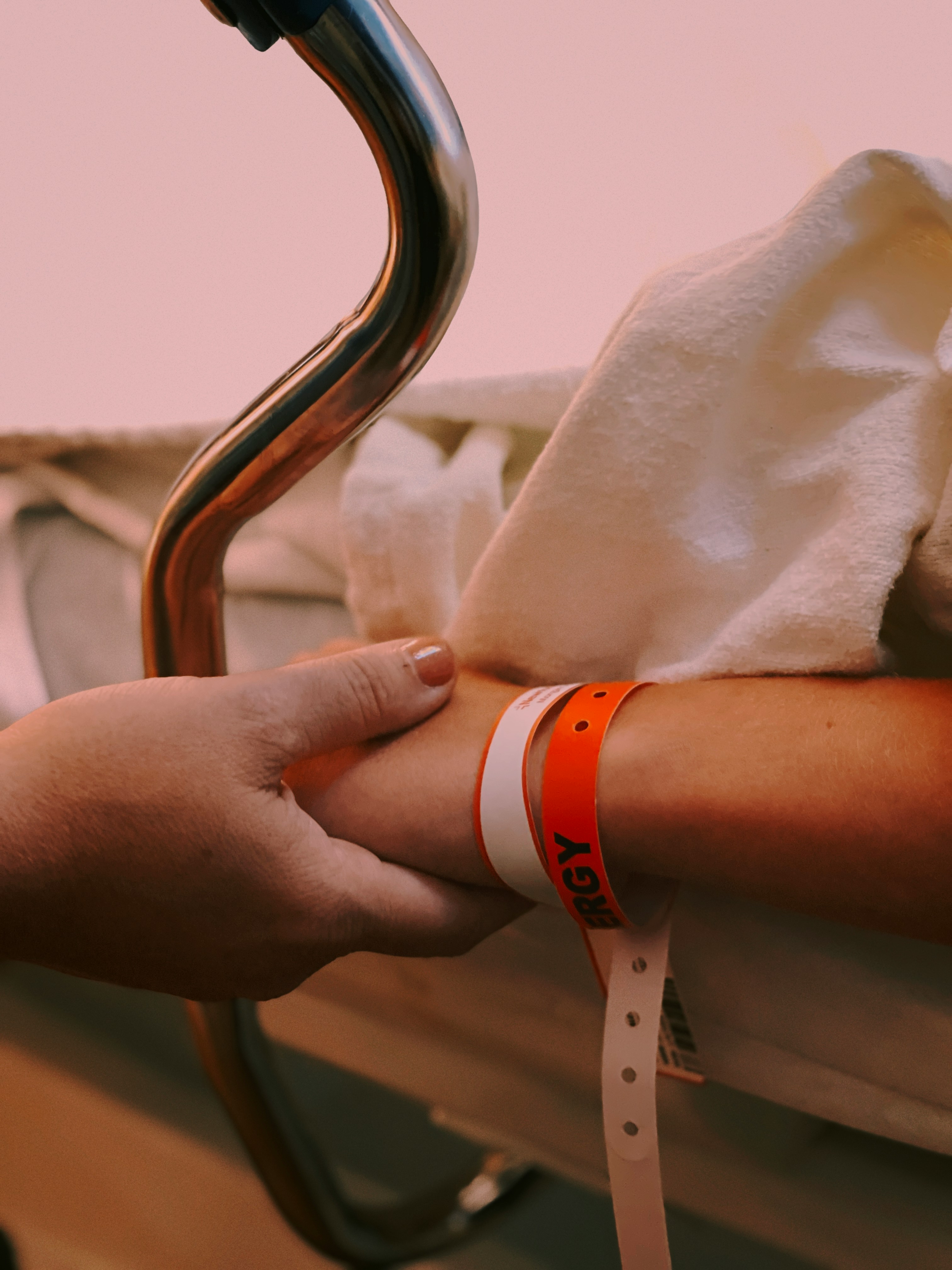
An RFID wristband uses radio frequency identification (RFID) technology to identify users and exchange data with a reader. It contains a small RFID chip and an antenna. When a user approaches an RFID reader, the reader detects the wristband and reads its stored information.
Businesses use RFID wristbands to manage access, track attendance, and support cashless payments. They are common at events, hotels, water parks, and other venues that need fast and convenient identification.1. What Is an RFID Wristband?
An RFID wristband is a wearable device with an embedded RFID tag. It allows users to access services or areas without carrying a card or showing a paper ticket.
Most RFID wristbands contain three main components:-
RFID Chip: Stores a unique identification number or other permitted data.
2. How Does an RFID Wristband Scanner Work?
An RFID wristband scanner reads information through radio frequency signals. The process usually involves three steps:
- Step 1: Signal Transmission
The RFID reader sends out a radio frequency signal through its antenna.
- Step 2: Tag Activation
When the wristband enters the reader's effective range, its antenna receives the signal. A passive RFID chip uses energy from this signal to respond.
- Step 3: Data Reading
The chip sends its identification data back to the reader. The connected system checks the data and grants or denies access based on preset permissions.
Unlike barcode systems, RFID does not always require direct visual contact between the reader and the wristband.
3. How Are RFID Wristbands Used for Events?
RFID wristbands for events help organizers manage large numbers of visitors. They reduce manual ticket checks and make entry more efficient.
Common applications include:
-
Event Access Control: Staff can scan wristbands to verify tickets and control entry.
4. How Are RFID Wristbands Used in Hotels?
Hotels and resorts use RFID wristbands to improve guest access and service management.
Typical applications include:
-
Room Access: Guests can use compatible wristbands to unlock hotel room doors.
5. What Should Buyers Consider When Choosing RFID Wristbands?
For importers, distributors, and event solution providers, choosing the right RFID wristband requires more than checking its appearance.
Consider these key factors:
-
RFID Frequency: Common options include LF (125 kHz), HF (13.56 MHz), and UHF (860–960 MHz). Choose a frequency that matches your reader and application.
6. Can RFID Wristbands Be Customized?
Yes. Custom RFID wristbands allow businesses to match the product to their branding and operational needs.
Manufacturers can offer different options, including:
-
Material Options: Silicone, fabric, PVC, and other available materials.
7. Frequently Asked Questions About RFID Wristbands
Q1: Do RFID wristbands need batteries?
Most passive RFID wristbands do not need batteries. They receive energy from the reader's radio frequency signal. Active RFID wristbands use batteries to support signal transmission.
Q2: Can RFID wristbands be reused?
Yes. Many RFID wristbands can be reused, depending on their material, chip type, closure design, and system configuration.
Q3: Can RFID wristbands work with any scanner?
No. The wristband and reader must support compatible frequencies, protocols, and chip technologies. Buyers should confirm compatibility before purchasing.
Conclusion
RFID wristbands use radio frequency signals to exchange identification data with compatible readers. They help businesses simplify access control, visitor management, and cashless services.
For importers, wholesalers, and event solution providers, selecting the right material, chip, frequency, and customization options is essential. Working with an experienced RFID wristband manufacturer can help ensure product compatibility and meet specific project requirements.
If you are sourcing RFID wristbands for your business, contact us to discuss your application, technical requirements, and bulk order needs.


