PVC Medical Wristbands with Barcode and QR Code Options
News Details
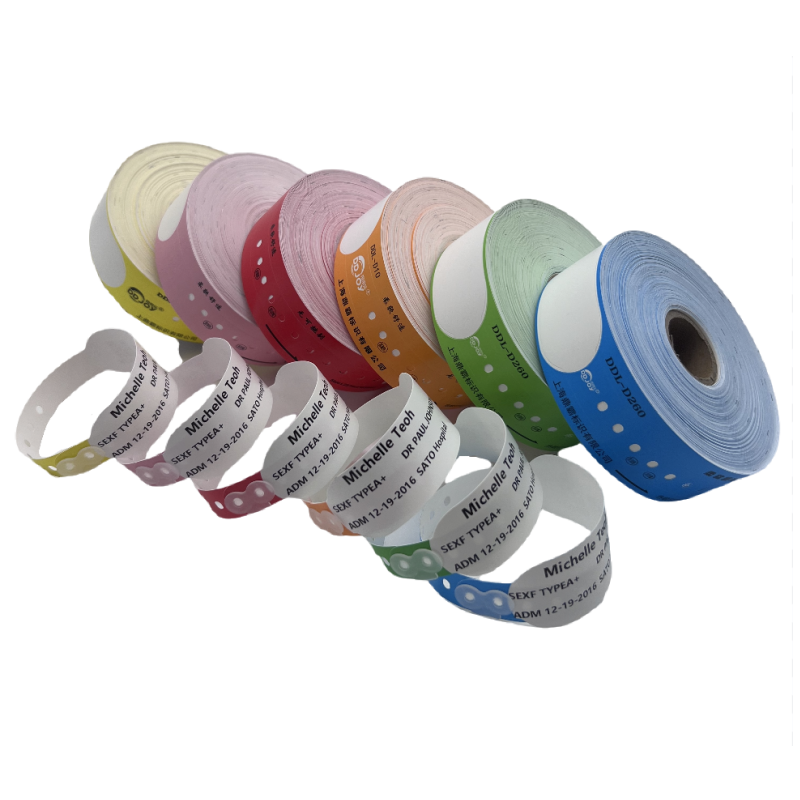
PVC medical wristbands with barcode and QR code options help hospitals and healthcare centers identify patients and manage information more easily. These wristbands can display patient details and printed codes, making it easier for staff to check records and reduce manual entry.
Today, healthcare teams need fast and clear ways to identify patients. Therefore, medical wristbands are an important part of daily hospital work. With barcode or QR code printing, they can do more than show a patient's name. They can also support digital records, patient tracking, and routine care.
For hospitals, clinics, and medical supply buyers, choosing the right wristband means finding a balance between comfort, durability, clear printing, and ease of use.
What Are PVC Medical Wristbands with Barcode and QR Code Options?
PVC medical wristbands are identification bands made from polyvinyl chloride (PVC). They can be printed with patient details, hospital information, barcodes, or QR codes, depending on the needs of each facility.
PVC is often chosen for its flexibility, durability, and ability to support clear printed designs. However, the quality of the finished wristband also depends on its material, surface, printing method, and design.
Barcode and QR code options add another layer of use. Instead of checking all details by hand, staff can scan the code with a compatible device to access linked information.
For example, a hospital may use these wristbands to identify patients during admission, treatment, testing, and discharge. As a result, the wristband becomes a useful tool for daily patient management.
Barcode vs. QR Code on PVC Medical Wristbands
Both barcodes and QR codes can support patient identification. However, they work in different ways.
Barcode Medical Wristbands
A barcode usually stores information in a series of lines and spaces. A scanner reads this pattern and links it to a patient record or another system.
Barcode wristbands are useful when a healthcare facility already uses barcode scanners and established patient management software.
Common uses include:
- Patient identification during admission
- Matching patients with medical records
- Checking medication and treatment information
- Tracking samples and laboratory requests
- Supporting routine hospital workflows
In addition, barcode printing can be a practical choice for facilities that want to keep their current scanning systems.
QR Code Medical Wristbands
A QR code uses a square pattern that can hold more data than a traditional one-dimensional barcode. It can also be scanned by many compatible mobile devices and QR code readers.
Depending on the system, a QR code may link to a patient record, an internal identification page, or another approved digital resource.
Common uses include:
- Accessing linked patient information
- Supporting digital check-in processes
- Connecting wristbands with hospital systems
- Helping staff find the right record more quickly
- Supporting patient tracking in suitable settings
However, a QR code does not automatically protect sensitive information. Healthcare facilities should use secure systems, control access, and avoid placing confidential patient data directly inside the code.
Which Code Should You Choose?
The best option depends on your equipment, software, and workflow. A barcode may be ideal for an established hospital scanning system. In contrast, a QR code may suit a facility that needs links to digital resources or more flexible scanning options.
Some projects may benefit from using both formats. Before placing an order, confirm that the selected code can be printed clearly and read by the devices used in your facility.
Key Benefits of PVC Medical Wristbands for Hospitals
PVC medical wristbands can offer several practical benefits when they are designed for the intended healthcare setting.
Durable Material for Daily Use
Medical wristbands may face frequent handling, movement, and contact with moisture. Therefore, buyers should look for a material and print finish that can meet the demands of the intended use.
PVC can provide a durable option for suitable applications. Still, actual performance depends on the material grade, wristband construction, and exposure conditions.
Clear Patient Identification
A wristband with readable text and a scannable code helps staff confirm patient identity more efficiently. This is especially useful when many patients receive care in the same facility.
Moreover, clear printing can help reduce errors caused by unclear labels or manual data entry. However, wristbands should always be used as part of an established patient identification process.
Support for Digital Workflows
Barcode and QR code wristbands can connect physical identification with digital systems. When the wristband code matches the correct patient record, staff can scan it instead of searching for information manually.
As a result, these wristbands may help improve workflow speed and record matching. The level of benefit depends on how well the wristbands work with the facility's software and scanning equipment.
Custom Printing Options
Hospitals and healthcare centers may need different layouts, colors, sizes, and printed details. Custom PVC medical wristbands can be designed to meet these needs.
For instance, a facility may request a patient name, identification number, logo, barcode, or QR code. Before production, buyers should confirm the available printing methods and whether the selected design supports reliable scanning.
How to Choose PVC Medical Wristbands with Barcode and QR Code Options
Choosing the right wristband requires more than comparing prices. Buyers should also consider comfort, printing quality, security, and system compatibility.
1. Check Material Quality
First, consider how and where the wristbands will be used. The material should suit the expected wear time and conditions.
For wristbands worn directly against the skin, comfort and skin-contact safety are especially important. Ask the supplier for relevant material information and test samples when needed.
2. Confirm Code Readability
Next, check the barcode or QR code design. The code must have enough contrast, suitable dimensions, and clear edges for the intended scanner.
A code that looks clear to the eye may still fail during scanning. Therefore, test sample wristbands with your actual equipment before approving a large order.
3. Choose the Right Size and Closure
A medical wristband should fit securely without causing discomfort. The closure should suit the intended user group and wear period.
For example, newborns, children, and adults may need different sizes or designs. In addition, healthcare facilities should consider whether the band needs a single-use closure or another type of fastening.
4. Review Printing and Customization
Before ordering, prepare the details that must appear on the wristband. These may include patient identifiers, logos, text, and machine-readable codes.
Also, confirm the printing area, color options, minimum order quantity, and sample approval process. Clear requirements can help reduce production errors and delays.
5. Check System Compatibility and Data Security
Finally, make sure the code format works with your hospital information system or patient management software.
The wristband itself does not manage patient data. Instead, the connected system determines what information staff can access after scanning. For this reason, healthcare providers should use appropriate access controls and follow relevant privacy rules.
Common Applications of PVC Medical Wristbands with Codes
PVC medical wristbands with barcode and QR code options may support different healthcare tasks.
Hospital admission: Staff can use the wristband to match a patient with the correct record during registration and admission.
Patient identification: Printed details and machine-readable codes can support identity checks before care or treatment.
Laboratory services: Wristband codes may help connect patients with test requests and related records when the hospital system supports this process.
Outpatient care: Clinics can use coded wristbands to support patient check-in and record matching.
Special care units: With the right size and design, wristbands can support identification for different patient groups. The selected product should meet the needs of its intended users.
In each case, the wristband must work with the facility's established procedures. Staff should not rely on a scanned code alone when identity confirmation requires additional checks.
DDJOYMedical Wristbands and Custom Identification Solutions
When sourcing medical wristbands, buyers should work with a supplier that understands printing needs, product customization, and consistent production quality.
DDJOY, available through www.ddlf.com, provides wristband-related products for identification and access management applications. Its product range includes PVC wristbands and other wristband solutions for different use cases.
www.ddlf.comFor medical identification projects, buyers can discuss their requirements with the supplier, including wristband material, size, printed information, and code format. Barcode or QR code customization should be confirmed with the supplier for the specific product before ordering.
When evaluating a DDJOY wristband solution, consider the following points:
- Material selection: Confirm whether the available PVC wristband meets your intended use.
- Custom printing: Ask about patient details, logos, colors, and other design needs.
- Barcode and QR code options: Confirm supported formats, printing quality, and sample testing.
- Order requirements: Check minimum quantities, lead times, and packaging options.
- Product testing: Review samples before placing a large order.
For healthcare buyers, clear communication is essential. By sharing the intended application, required code format, and order volume, you can help the supplier recommend a suitable product.
At the same time, do not assume that every wristband is designed for clinical use. Confirm skin-contact suitability, relevant safety documentation, and the product's intended application before using it for patient identification.
How to Maintain Reliable Barcode and QR Code Scanning
Even a well-made wristband may not work as expected if the printed code is damaged or the scanning process is poorly managed.
To improve reliability, healthcare teams should follow a few simple steps.
First, test each new wristband design with the scanners and software used in the facility. Next, check that printed codes remain readable under expected use conditions.
In addition, staff should inspect wristbands for damage, fading, or poor fit. If a code becomes unreadable, follow the facility's procedure to replace the wristband and verify the patient's identity.
It is also important to keep patient information secure. Limit access to authorized users, use secure links where appropriate, and avoid printing unnecessary personal details on the band.
Finally, review the process from time to time. Regular checks can help identify printing problems, scanning failures, and workflow issues before they affect daily operations.
Conclusion: Choose the Right PVC Medical Wristbands with Barcode and QR Code Options
PVC medical wristbands with barcode and QR code options can help healthcare facilities improve patient identification and support digital workflows. Barcodes work well with many established scanning systems, while QR codes can link users to compatible digital resources.
However, the right choice depends on the wristband material, printing quality, code readability, patient comfort, and software compatibility.
For hospitals, clinics, and medical supply buyers, it is best to define the requirements before placing an order. DDJOY wristband products can be explored through www.ddlf.com, with product-specific details and customization options confirmed directly with the supplier.
DDJOYwww.ddlf.comBy selecting a suitable wristband and testing it with the intended system, healthcare facilities can build a more reliable patient identification process.


